
 Phlex65 65


National Wellness Month is the perfect reminder that health isn’t just about treating illness—it’s about building a life of vitality, purpose, and joy at every stage. For seniors, wellness encompasses physical fitness, mental clarity, emotional resilience, and social connection. This guide walks you through practical, evidence-based strategies to make wellness a sustainable part of your daily life so that you can celebrate not just this month, but every month ahead.
Wellness goes beyond the absence of disease. It’s a proactive approach to living well—preventing chronic conditions, maintaining independence, building strength, and nurturing the relationships and activities that bring meaning to life.
For seniors, wellness is especially important because:
The best part? It’s never too late to start. Research consistently shows that seniors who adopt wellness practices—even in their 70s, 80s, and beyond—experience measurable improvements in strength, balance, mood, and overall life satisfaction.
Movement is medicine. Regular physical activity strengthens muscles, improves balance, protects bone density, and reduces the risk of falls—a leading cause of injury in older adults.
What works best for seniors:
Pro tip: Consult your doctor before starting a new exercise routine, especially if you have existing health conditions. A physical therapist can recommend modifications tailored to your needs.
What you eat directly affects your energy, immunity, bone health, and brain function. Seniors have unique nutritional needs—higher protein to maintain muscle, adequate calcium and vitamin D for bones, and nutrient-dense foods to maximize wellness.
Senior-friendly nutrition strategies:
Practical idea: Meal prep on weekends or use delivery services that provide balanced, senior-friendly meals. Good nutrition doesn’t have to be complicated.
A sharp mind is a sign of wellness. Mental health includes emotional resilience, cognitive engagement, stress management, and sleep quality.
Ways to nurture mental wellness:
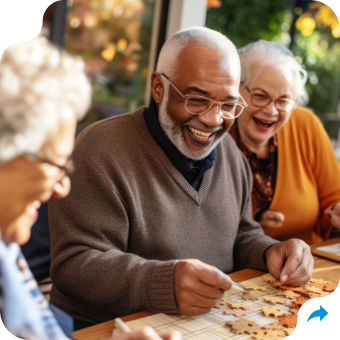
Brain-healthy activities: Puzzles, reading, board games, learning a language, or even cooking new recipes keep your mind engaged and growing.
Loneliness is a silent health crisis among seniors. Social connection reduces depression, boosts immunity, lowers blood pressure, and increases longevity. Wellness means nurturing meaningful relationships and community.
Build your social wellness:
Why it matters: Studies show that socially connected seniors have stronger immune systems, lower rates of depression, and better cognitive function than isolated peers.
Wellness includes staying on top of routine screenings, managing chronic conditions, and building a trusted healthcare relationship.
Essential preventive steps:
Step 1: Assess where you are today. Which pillar feels strongest? Where do you want to improve?
Step 2: Start with one small change. Perhaps it’s a 15-minute daily walk or a weekly lunch date with a friend. Small, consistent actions build momentum.
Step 3: Build accountability. Share your goals with someone you trust—a family member, friend, or healthcare provider. They’ll keep you motivated.
Step 4: Celebrate wins. Notice improvements in energy, mood, strength, or sleep. Acknowledge progress, no matter how small.
Step 5: Adjust as needed. Wellness isn’t static. Your needs change; your plan should too.
Absolutely not. Research shows that seniors of any age who begin exercising experience improvements in strength, balance, and independence within weeks. Always check with your doctor first.
Many communities offer free or low-cost programs: senior centers, parks (walking), library programs, and volunteer opportunities. Wellness doesn’t require expensive gym memberships.
Work with a physical therapist or your doctor to adapt activities. Swimming, water aerobics, and tai chi are excellent for those with pain or mobility challenges.
Connect with others pursuing wellness. Group activities, buddy systems, or online communities provide encouragement when motivation dips.
Yes. Regular exercise, good nutrition, strong social bonds, and mental engagement have been shown to reduce the risk of heart disease, diabetes, cognitive decline, and depression.
National Wellness Month is a celebration and a call to action. Whether you’re recovering from illness, managing chronic conditions, or simply wanting to feel your best, wellness is within your reach. It’s not about perfection—it’s about consistent, compassionate choices that honor your body, mind, and spirit.
Start this week. Pick one pillar. Make one small change. Then build from there. Your future self will thank you for the investment you’re making today.
Your health, your independence, and your joy are worth celebrating—this month and every month ahead.


No comments yet.