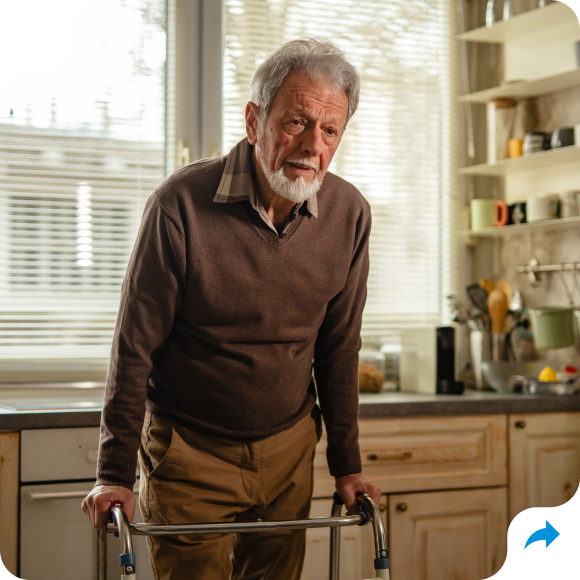
Frailty is misunderstood. Many believe it’s an inevitable decline with age, but research disagrees. With the right plan, frailty is often reversible and manageable.
This guide explains what frailty is, what drives it, and how to overcome it.
What Is Frailty?
Frailty is a medical syndrome. It means weaker energy, reserve, and resilience. It makes the body more vulnerable to stressors such as illness, injury, or infection.
Clinically, frailty is identified by five core markers:
- Unintentional weight loss (more than 10 pounds in the past year)
- Persistent exhaustion or fatigue
- Weakness (reduced grip strength)
- Slow walking speed
- Low physical activity levels
Having three or more markers confirms frailty—one or two shows ‘pre-frail’ status—an ideal window for intervention.
What Causes Frailty in Older Adults?
Frailty develops gradually from several causes.
- Muscle loss (sarcopenia): After age 50, the body loses 1–2% of muscle mass per year without active resistance training
- Chronic inflammation: Low-grade inflammation accelerates cellular aging and tissue breakdown
- Poor nutrition: Inadequate protein and micronutrient intake weakens muscles and immune function
- Physical inactivity: A sedentary lifestyle accelerates deconditioning faster than age itself
- Social isolation: Loneliness disrupts hormonal balance, appetite, and motivation
- Multiple chronic conditions: Diabetes, heart disease, and arthritis compound physical decline
Identify the cause and create a targeted recovery plan.
How to Overcome Frailty: Proven Strategies
1. Prioritize Resistance and Strength Training
Start resistance training to rebuild muscle mass, improve balance, and restore mobility.
Recommended approach:
- Aim for 2–3 sessions per week
- Focus on compound movements: squats, seated leg presses, wall push-ups
- Use resistance bands for low-impact strength building
- Progress gradually—start light and increase resistance over weeks
Begin chair-based exercises. Gain measurable strength within 8–12 weeks with consistent resistance training.
2. Optimize Protein and Nutrition Intake
Many older adults consume less protein than their bodies need, especially when their appetite is reduced.
Nutrition targets for overcoming frailty:
- Target 1.2–1.6 grams of protein per kilogram of body weight daily
- Prioritize high-quality sources: eggs, lean meat, fish, legumes, Greek yogurt
- Add Vitamin D and Calcium to support bone health alongside muscle recovery
- Consider nutritional supplements if food intake alone is insufficient (consult your provider)
Eat small, protein-rich meals throughout the day for better results. Large meals are less effective when appetite is reduced.
3. Stay Physically Active Between Workouts
Move daily. Walk, garden, do household tasks, and stretch to reverse frailty.
Practical daily activity goals:
- Walk at least 20–30 minutes daily (even in short intervals)
- Reduce sitting time by standing or moving every hour
- Try tai chi or yoga—both proven to improve balance and reduce fall risk in frail seniors
4. Address Underlying Medical Conditions
Manage chronic conditions to improve recovery from frailty.
- Review medications with your doctor—polypharmacy (multiple medications) worsens weakness and fatigue
- Screen for depression untreated depression reduces motivation and physical activity dramatically
- Test for nutritional deficiencies iron, B12, and Vitamin D deficiencies all accelerate physical decline
- Manage pain effectively uncontrolled pain limits movement and exercise participation
5. Rebuild Social Connections
Engage socially for physical and emotional benefit. Stay active and motivated.
Ways to rebuild social connections:
- Join community fitness or walking groups
- Attend senior center programs
- Volunteer or participate in group activities
- Explore virtual social groups if mobility is limited
6. Focus on Balance and Fall Prevention
Integrate balance training with strength work to prevent falls and protect progress.
Simple daily balance exercises:
- Single-leg standing (near a wall for support)
- Heel-to-toe walking
- Side leg raises
- Sit-to-stand exercises from a chair
Common Mistakes That Slow Recovery
- Don’t wait to act. Pre-frailty is the best intervention window.
- Don’t focus just on cardio. Cardio alone won’t rebuild muscle. Resistance training is essential.
- Don’t ignore nutrition. Exercise without enough protein leads to minimal recovery.
- Don’t overexert early. Gradual progression prevents injury and supports long-term commitment.
- Avoid managing frailty alone. Teams (doctor, therapist, dietitian) deliver better results.
Maintenance: Keeping Frailty Away Long-Term
Maintain gains. Prevent frailty long-term by following these steps:
- Consistent exercise: Make strength training a permanent lifestyle habit
- Regular medical check-ups: Annual assessments for muscle strength, weight, and physical function
- Ongoing nutritional awareness: Adjust protein intake as needs evolve
- Mental health maintenance: Manage stress, stay socially connected, address mood changes early
FAQ: Overcoming Frailty in Older Adults
Q: Can frailty be completely reversed?
A: Yes—especially when identified at the pre-frail stage. With regular exercise, proper nutrition, and medical management, many older adults achieve full functional recovery and independence.
Q: How long does it take to overcome frailty?
A: Most people see meaningful improvement within 8–12 weeks of structured exercise and nutritional intervention. Full recovery timelines vary based on severity, consistency, and underlying health conditions.
Q: Is frailty the same as getting old?
A: No. Frailty is a medical syndrome, not an inevitable part of aging. Many older adults remain strong and active well into their 80s and 90s with the right lifestyle habits.
Q: What’s the best exercise for frail older adults?
A: Resistance training is most effective for rebuilding muscle mass. Chair-based exercises, resistance bands, and body-weight movements are safe starting points for severely frail individuals.
Conclusion: Frailty Is Reversible—Start Today
Frailty has clear, proven solutions. Through targeted exercise, smart nutrition, medical management, and social engagement, older adults can rebuild strength, restore independence, and improve quality of life.
Take the first step now. Walk for 20 minutes, eat a protein-rich breakfast, or discuss with your doctor. Build momentum with small actions.
Strength can be rebuilt. Independence can be restored. Start your journey today.
Compassionate care for your loved ones. Restore independence and peace of mind with our senior caregiving services.
Meta Description
“Learn how to overcome frailty in older adults with proven strategies in exercise, nutrition, and medical care. Regain strength and independence today.”

 Phlex65 65


No comments yet.