
 Phlex65 65

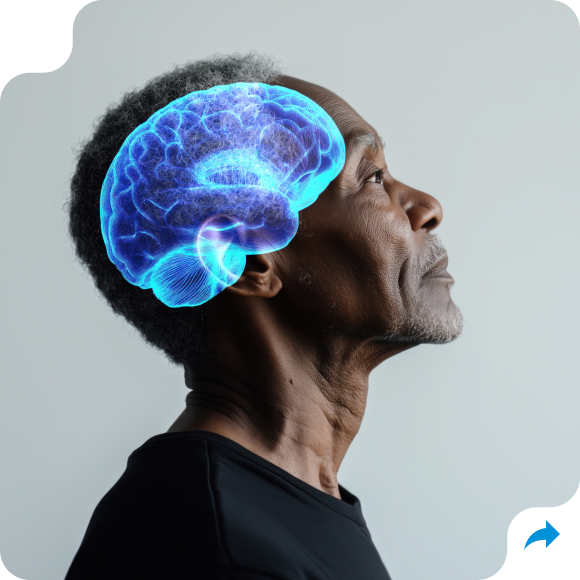
very July 22, the world unites for brain health. World Brain Day, organized by the World Federation of Neurology (WFN), is the world’s leading global awareness event for neurological health. In 2026, its urgency is greater than ever.
The 2026 World Brain Day theme, “Brain Health: Access for All,” addresses a stark reality: over 3.4 billion people —more than 40% of the world’s population—live with a neurological condition, yet most lack access to diagnosis, treatment, or basic care.
From migraines to dementia, from stroke to epilepsy — neurological disorders are the leading cause of disability worldwide. And they are growing faster than our systems can keep up.
To understand the significance of World Brain Day 2026, let’s look at why this year’s theme is so crucial, the brain health challenges we face, and the ways you, both individually and as part of a global community, can contribute to the solution.
World Brain Day was launched in 2014 by the World Federation of Neurology to raise awareness about brain health and neurological disorders. Since then, it has grown into a global movement involving healthcare professionals, researchers, policy makers, educators, and individuals from more than 100 countries.
Each year, WFN selects a specific theme to focus global attention on a critical aspect of brain health. The day is marked by thousands of events worldwide — educational campaigns, community screenings, webinars, policy discussions, and media campaigns — all centered on protecting and advancing brain health for everyone.
The 2026 theme tackles the single greatest barrier to neurological care worldwide: inequity of access.
Here’s the reality:
This problem is not just about resources, but priorities. Brain health has been underfunded, underdiagnosed, and undertreated—not due to a lack of solutions, but their inaccessibility to those who need them most.
To understand why World Brain Day 2026 is so urgent, look at the numbers behind the 3.4 billion affected people:
| Stroke | 93 million | Leading cause of adult disability; prevention and acute care access remain uneven |
| Migraine | 1.1 billion | Most disabling neurological condition; underdiagnosed and undertreated worldwide |
| Alzheimer’s & dementia | 55+ million | Projected to triple by 2050; few treatments and no cure |
| Epilepsy | 50 million | 70% could live seizure-free with medication — most lack access |
| Parkinson’s disease | 8.5 million | Growing rapidly; specialist care is concentrated in wealthy nations |
| Traumatic brain injury | 69 million annually | Rising due to road traffic accidents in low-income regions |
| Multiple sclerosis | 2.8 million | Diagnosis and treatment gaps are severe in developing countries |
These aren’t just statistics — they represent families, caregivers, lost productivity, reduced quality of life, and staggering economic costs. The global economic burden of neurological disorders exceeds $1 trillion annually — a figure that rises every year.
World Brain Day reminds us that brain health isn’t just about treating disease — it’s about prevention, lifestyle, and early intervention.
The brain thrives on movement. Regular aerobic exercise increases blood flow, stimulates the growth of new neurons, and reduces the risk of dementia, stroke, and depression.
What works: 150 minutes of moderate aerobic activity weekly + resistance training twice weekly.
What you eat directly shapes your brain structure and function. The Mediterranean and MIND diets are consistently linked to slower cognitive decline and lower dementia risk.
Brain-protective foods: Leafy greens, berries, fatty fish, nuts, olive oil, whole grains. Limit processed foods, sugar, and trans fats.
Sleep is when the brain cleans itself — literally. The glymphatic system flushes out toxic waste products, including amyloid plaques linked to Alzheimer’s disease.
Target: 7–9 hours of quality sleep per night, with consistent sleep-wake timing.
“Use it or lose it” applies directly to the brain. Learning new skills, reading, puzzles, language learning, and creative activities build cognitive reserve — the brain’s resilience against damage.
Loneliness is a direct risk factor for cognitive decline. Meaningful social engagement — time with family, friends, community groups — protects the brain at every age.
Chronic stress raises cortisol levels, which damage the hippocampus — the brain’s memory center. Mindfulness, meditation, and adequate rest are non-negotiable for long-term brain health.
One of the most important messages of World Brain Day is that brain health begins before birth and continues throughout life.
At every stage, access matters — to education, healthcare, healthy food, safe environments, and social support. Without access, brain health is a privilege, not a right.
You don’t need to be a neurologist to make a difference. Here’s how you can contribute:
Every action — no matter how small — contributes to a world where brain health is available to everyone, everywhere.
A: World Brain Day is observed every year on July 22. It was established by the World Federation of Neurology in 2014.
A: The 2026 theme is “Brain Health: Access for All,” highlighting the urgent need to make neurological care available to the 3.4 billion people currently living with brain disorders, regardless of geography or income.
A: World Brain Day is organized by the World Federation of Neurology (WFN), in collaboration with neurological societies, healthcare organizations, and advocacy groups worldwide.
A: The most common neurological conditions include stroke, migraine, Alzheimer’s disease, epilepsy, Parkinson’s disease, traumatic brain injury, multiple sclerosis, and neuroinfections.
A: Start with six pillars: regular physical exercise, a brain-healthy diet (Mediterranean/MIND), 7–9 hours of quality sleep, cognitive stimulation (learning, puzzles, reading), meaningful social connections, and effective stress management. Consistency matters more than perfection.
World Brain Day 2026 is more than a date. With 3.4 billion affected and unequal access to care, “Brain Health: Access for All” becomes both a challenge and a roadmap.
The science exists. The solutions exist. What’s missing is the will — political, economic, and social — to make brain health available to every person, regardless of where they live.
This July 22, join the movement. Learn. Share. Advocate. Take one step toward protecting your own brain health — and one step toward making brain health a reality for everyone.
Because when we protect our brains, we protect everything that makes us who we are.


No comments yet.